
Approaches
A thoughtful intervention for each unique client.
Auditory interventions
Supporting regulation through listening.
Safe and Sound Protocol and Rest and Restore Protocol are auditory interventions that stimulate the vagus nerve. The vagus nerve is an important part of the nervous system and plays a critical role in our ability to regulate and develop interoception. These protocols are a passive intervention that allows all clients to shift their bodies into a state of connection which supports the development of skills and supports overall well being such as sleep, appetite and engagement in activities.
Intervention is comprised of a 1 hour parent meeting to review the concerns and the development of the plan on how to implement the protocol within the family routine. The family is coached how to complete the music at home. This is followed by a series of virtual meeting (minimum of 15 minutes in length) over the course of the listening experience to monitor changes and adjust implementation as needed.
The fee for the 5 hours of music is $200 and this is covered through OAP as the first listening session has the fee included in the cost of the session.
Approaches
A thoughtful intervention for each unique client.
01Relationship-basedDIR/Floortime®+
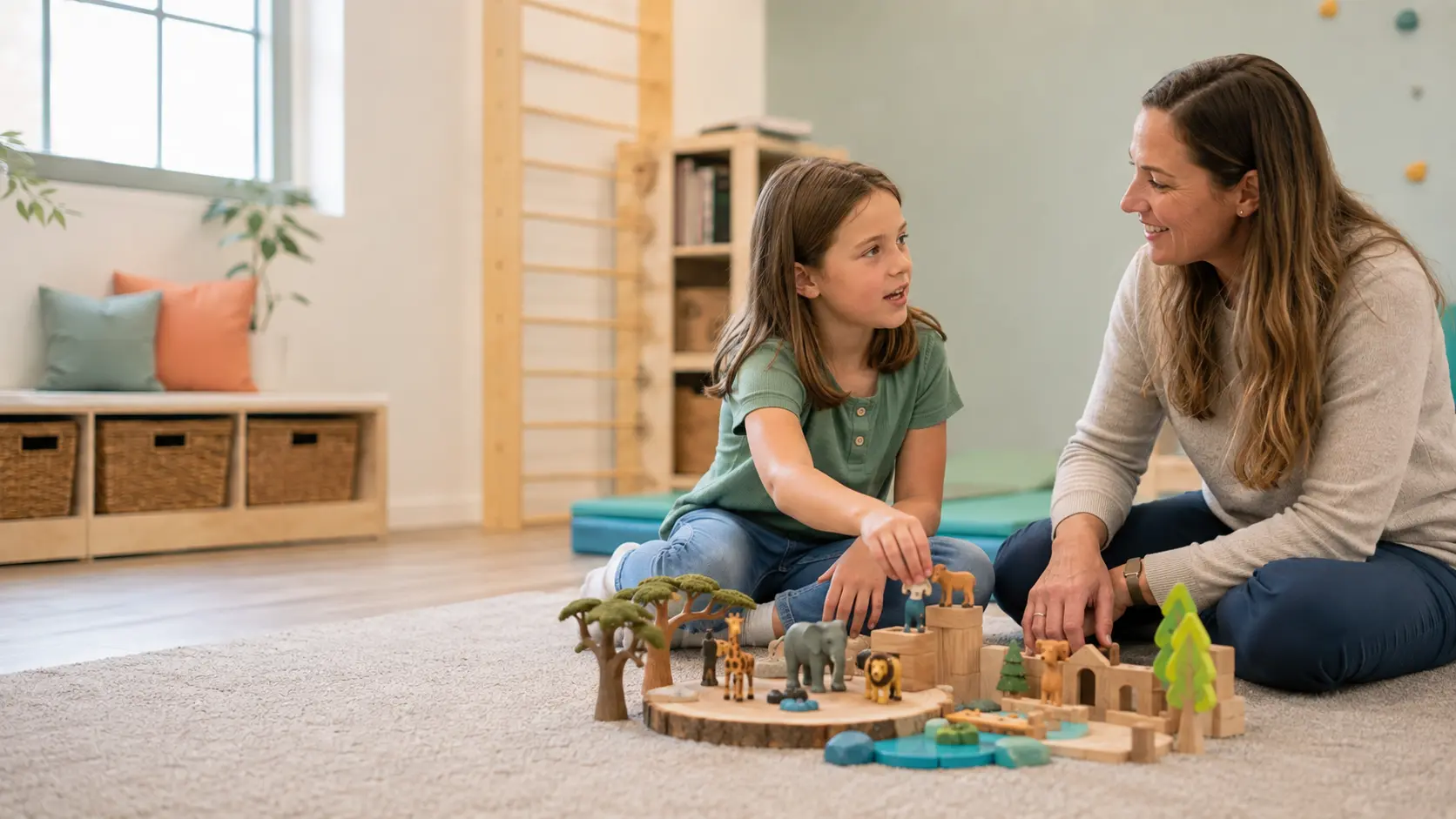
DIR/Floortime®is a developmental, relationship-based approach that honours each child's unique strengths, interests, and way of experiencing the world. At its core, DIR/Floortime recognizes that children learn best when they feel safe, connected, and understood. By focusing on meaningful relationships and following the child's natural interests, this approach helps support emotional regulation, communication, social engagement, problem-solving, and overall development. It recognizes that development is not simply about acquiring skills, but about building the foundation for meaningful participation in everyday life.
During DIR/Floortime sessions, the therapist joins the child in activities and play experiences that are motivating and enjoyable for them. Through these shared interactions, the therapist supports the child's ability to engage, communicate, think creatively, and connect with others. The goal is to create opportunities for growth while preserving the joy of play and the child's sense of agency. Parents and caregivers are valued partners in the process and are supported in understanding their child's unique developmental profile so they can foster connection, confidence, and growth throughout daily routines and family life.
02Listening-basedSafe and Sound Protocol (SSP)®+
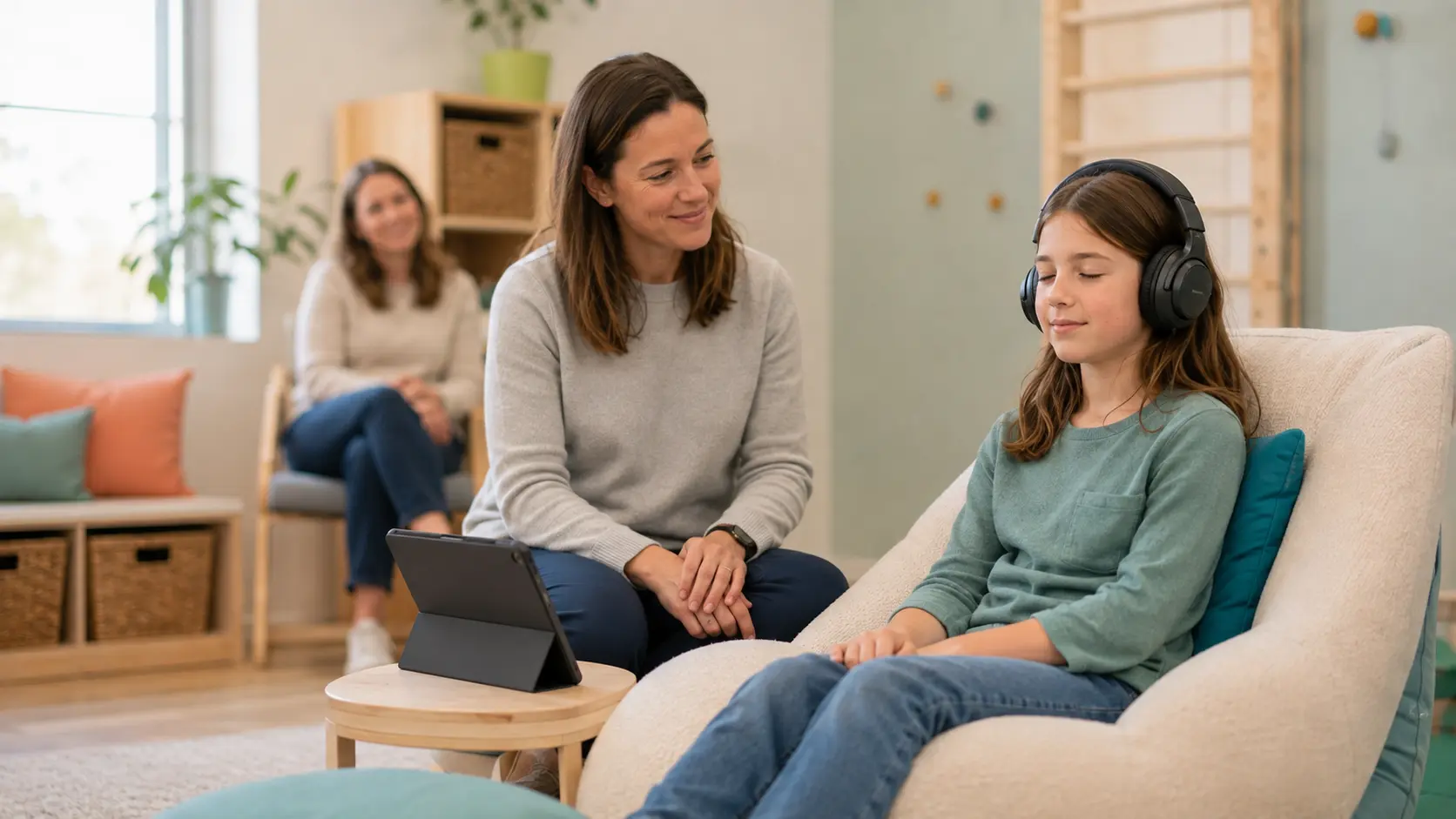
The Safe and Sound Protocol (SSP) is a listening-based intervention developed from the work of Dr. Stephen Porges and his Polyvagal Theory. It uses specially filtered music to gently support the nervous system and promote a greater sense of safety and regulation. When the nervous system feels safe, children are often better able to engage with others, manage emotions, process sensory information, communicate, and participate in everyday activities. SSP is individualized to each person's needs and is always introduced gradually, with careful monitoring by a trained provider.
The Safe and Sound Protocol is not a stand-alone treatment but is integrated into a comprehensive occupational therapy program. Throughout the intervention, the therapist observes the child's responses and adjusts the pace as needed to support comfort and regulation. SSP may be beneficial for individuals experiencing challenges with sensory processing, emotional regulation, attention, anxiety, social engagement, or recovery from stress and trauma. Parents and caregivers are supported throughout the process to help recognize changes in regulation and to build strategies that continue to support the child's progress in everyday life.
03Listening-basedRest and Restore Protocol (RRP)®+
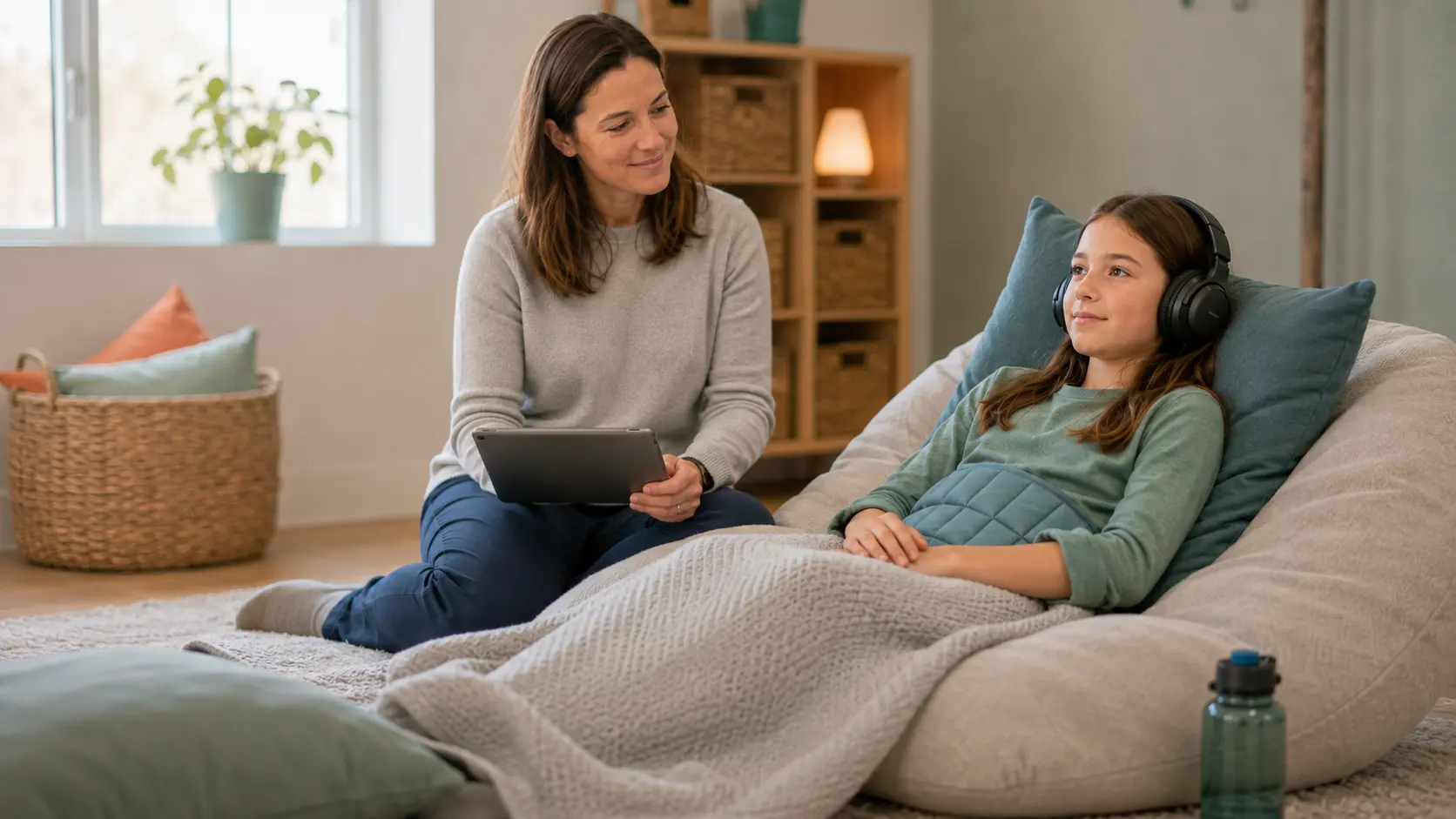
The Rest and Restore Protocol (RRP)is a listening-based intervention designed to support regulation of the autonomic nervous system by promoting a state of rest, safety, and physiological balance. Using specially filtered acoustic stimulation, the protocol aims to enhance the body's capacity for regulation through pathways associated with the vagus nerve. As regulation improves, individuals may experience increased resilience, improved digestion and feeding, better sleep, greater emotional stability, enhanced attention, and improved participation in daily activities. The protocol is individualized and implemented by a trained provider who carefully monitors each person's responses throughout the intervention.
The Rest and Restore Protocol is used as one component of a comprehensive occupational therapy intervention plan and is tailored to each individual's unique needs and goals. Because every nervous system responds differently, the therapist works closely with the child and family to determine the appropriate pace and level of support. RRP is often considered when difficulties with regulation, feeding, sensory processing, or chronic stress are affecting a person's ability to engage in meaningful occupations. Families are provided with education and guidance throughout the process to help support lasting improvements in regulation and participation across home, school, and community environments.
04Sensory-basedTherapeutic Listening®+
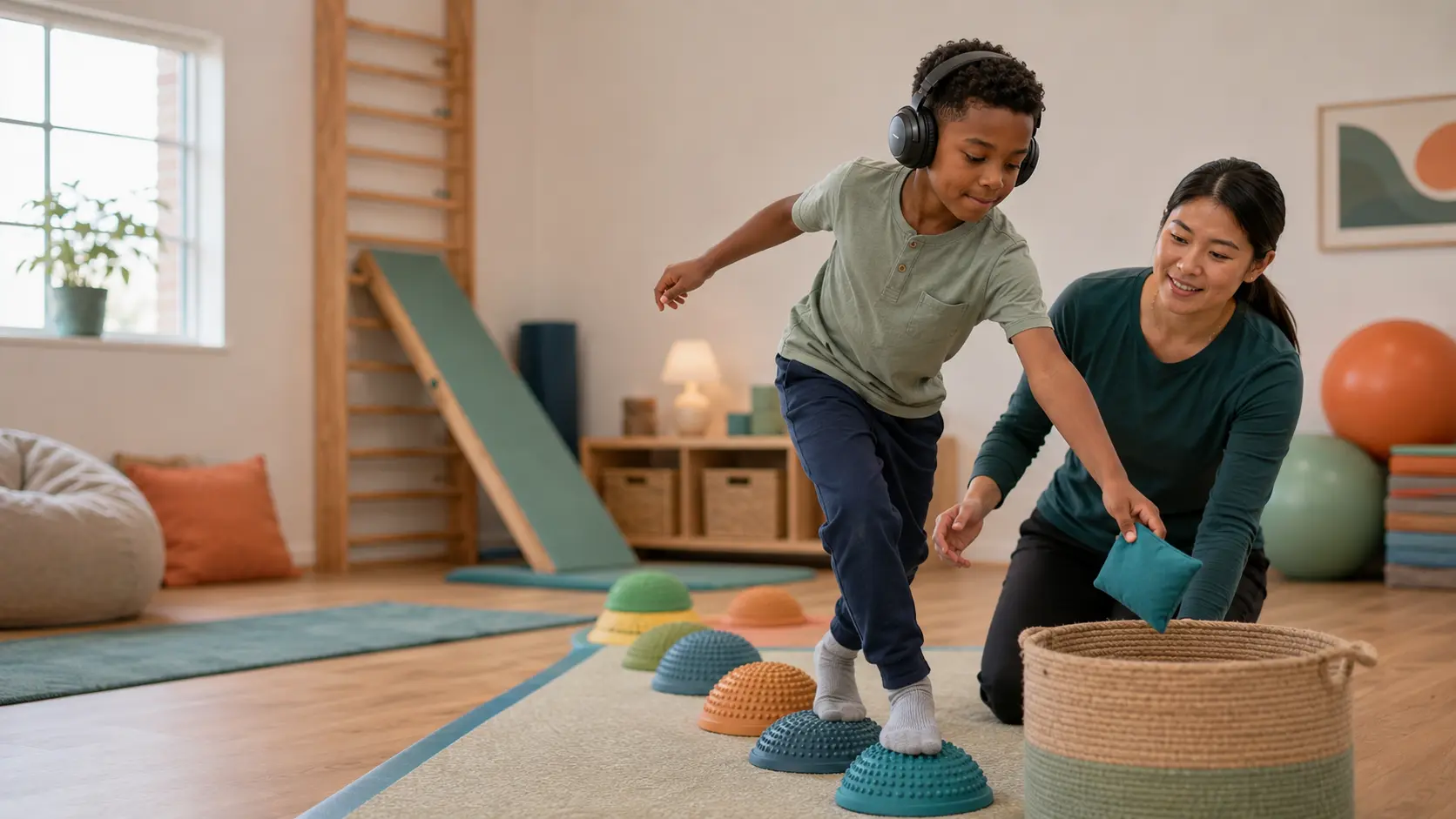
Therapeutic Listening®is an individualized intervention that uses specially recorded and modulated music, combined with purposeful movement and sensory-based activities, to support the development and regulation of the nervous system. The program is designed to enhance the brain's ability to process and organize sensory information, which can positively influence attention, emotional regulation, motor planning, balance, communication, learning, and participation in everyday activities. Each listening program is carefully selected and adjusted by a therapist trained in Therapeutic Listening to meet the individual's unique strengths, needs, and therapeutic goals.
Therapeutic Listening is integrated into a comprehensive occupational therapy intervention plan and is most effective when paired with meaningful movement, play, and everyday routines. As the nervous system becomes more organized, individuals may experience improvements in their ability to regulate emotions, maintain attention, coordinate movement, engage socially, and participate more successfully at home, school, and in the community. Parents and caregivers play an important role in the intervention and receive ongoing education and support to help incorporate strategies into daily life, maximizing opportunities for continued growth and development.
05Oral motorBeckman Oral Motor Intervention®+

Beckman Oral Motor Intervention®is a structured assessment and treatment approach designed to improve the strength, range of movement, control, and coordination of the muscles of the lips, cheeks, jaw, tongue, and soft palate. Through a series of gentle assisted movements and stretches, the intervention helps increase awareness and function of the oral structures that support feeding, drinking, swallowing, speech, and facial expression. The approach is individualized to each person's needs and is implemented by a therapist who has received specialized training in the Beckman Oral Motor approach.
Beckman Oral Motor Intervention is often incorporated into a comprehensive occupational therapy program for individuals experiencing oral motor challenges that affect eating, drinking, saliva management, or oral coordination. Treatment is carefully paced to ensure comfort and is integrated with functional activities such as feeding and play whenever appropriate. Parents and caregivers are actively involved in the intervention process and receive education and guidance so they can confidently support their child's oral motor development during everyday routines at home.
06Vestibular-visualAstronaut Training® – A Sound Activated Vestibular-Visual Protocol+
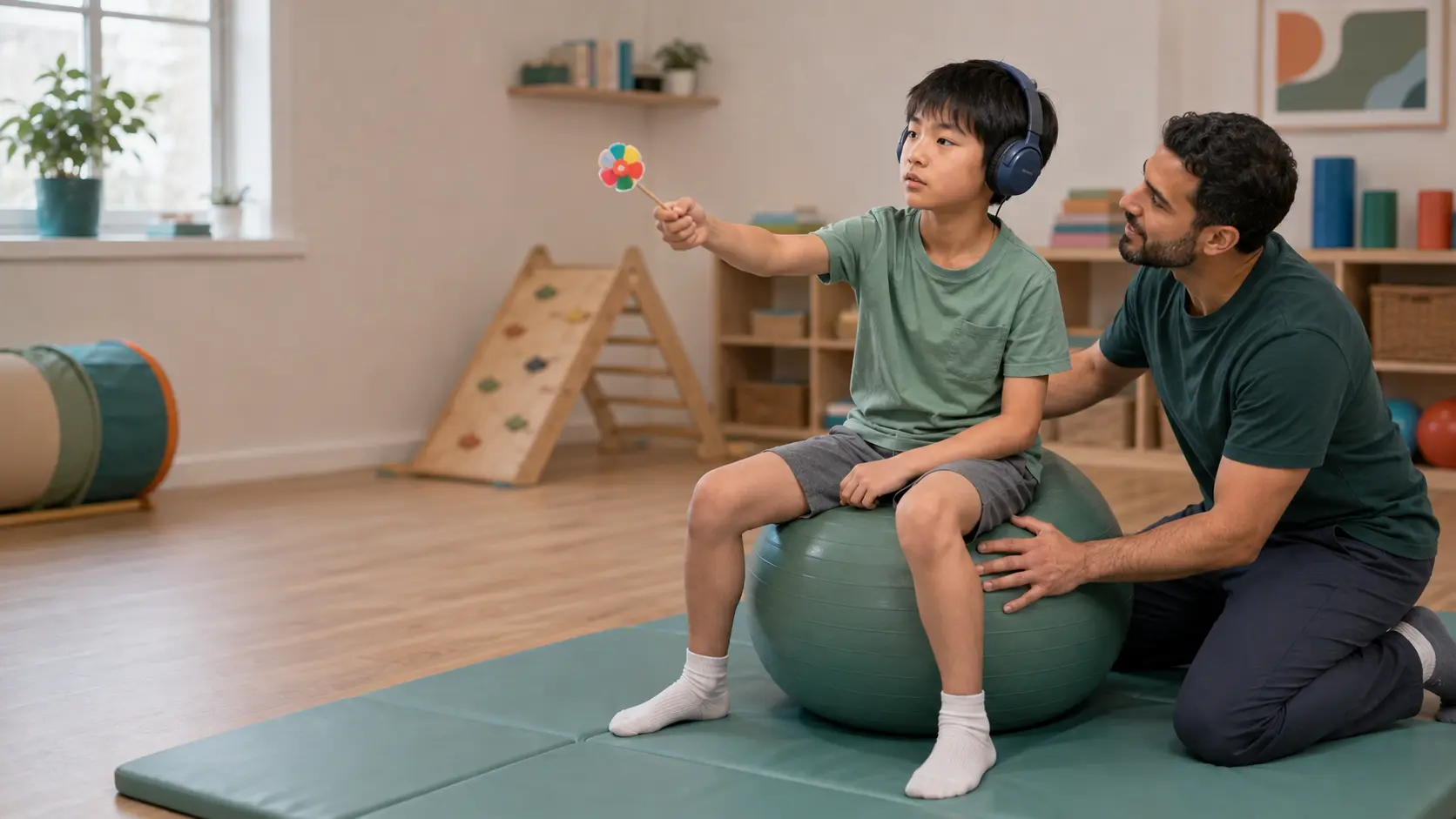
Astronaut Trainingis a specialized sensory integration intervention designed to support the development and integration of the vestibular (balance and movement), visual, and auditory systems. These systems work together to help us maintain balance, coordinate our movements, use our eyes efficiently, and understand where our body is in space. When these systems are working together effectively, children are better able to participate in activities that require attention, postural control, motor planning, reading, handwriting, visual tracking, and coordination. The protocol uses carefully graded movement activities, visual exercises, and sound to strengthen these connections while respecting each child's individual sensory processing needs.
Astronaut Training is incorporated into a comprehensive occupational therapy program and is tailored to each child's developmental profile and therapeutic goals. Activities are introduced gradually to ensure the child remains regulated, engaged, and successful throughout the intervention. The therapist continually monitors the child's responses and adjusts the intensity and progression of activities to support optimal nervous system organization. Parents and caregivers are provided with education and practical strategies to reinforce skills at home, helping children build confidence, improve participation, and achieve greater success in everyday activities at home, school, and in the community.
Contact Jennifer
Every child deserves to feel safe, connected, and understood.
Contact Jennifer Radonicich for more information: