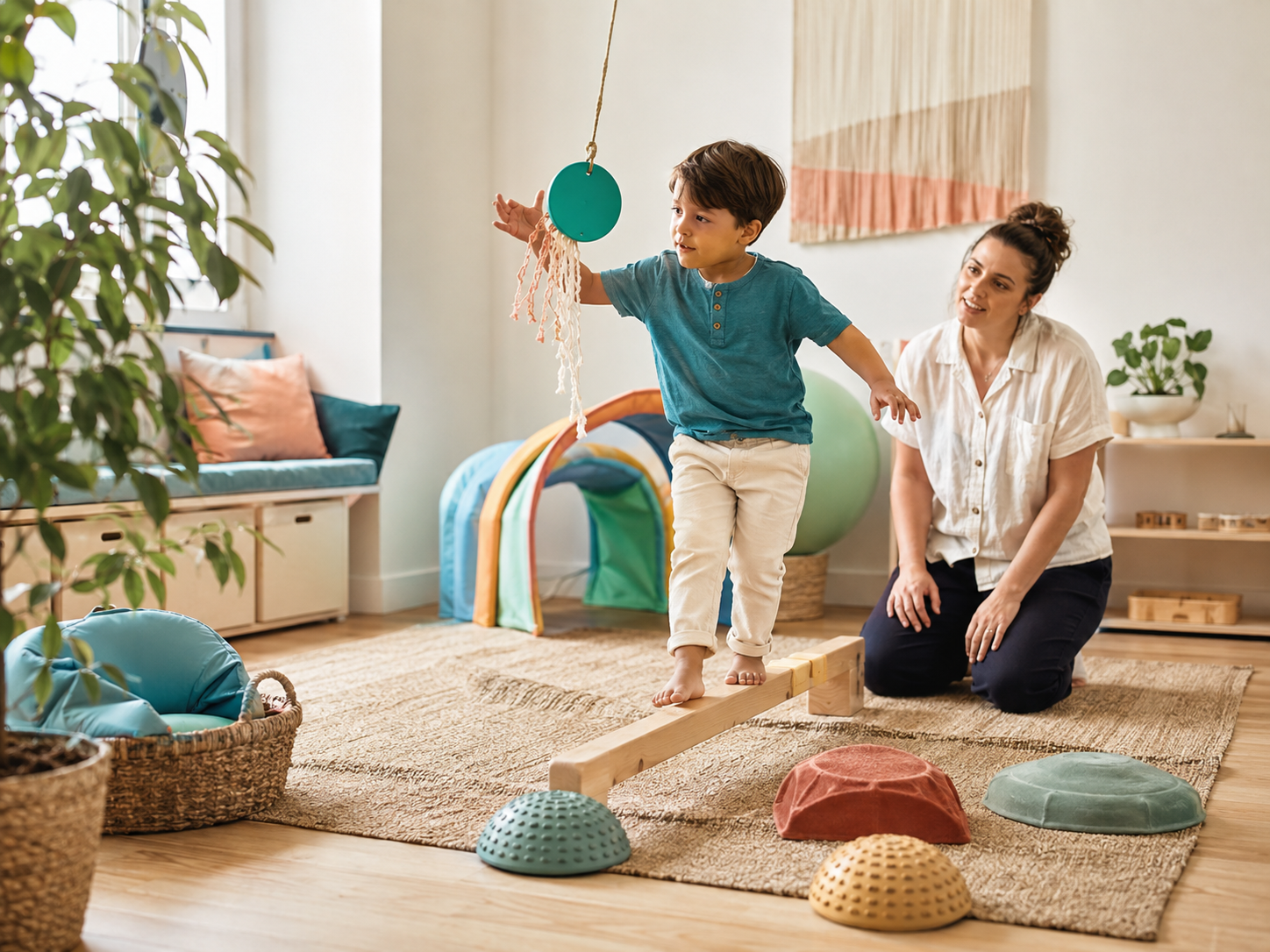
Intensive Therapy Sessions
Over the years, Jennifer has observed that some clients benefit from longer therapy sessions that provide the time and flexibility needed to feel safe, comfortable, and ready to engage. Some children require additional time to build trust with the therapist, while others experience periods of dysregulation that require opportunities for co-regulation, rest, and recovery before meaningful learning can occur. By offering 2- to 3-hour sessions, the pressure to "perform" within a traditional one-hour appointment is removed, allowing therapy to unfold at the child's pace. When children feel safe, understood, and emotionally regulated, they are better able to participate in activities that support meaningful skill development.
Longer sessions also allow therapy to occur within the natural routines of everyday life. Many functional skills are best learned in the environment and at the time they naturally occur. For example, rather than practicing tooth brushing at a random scheduled appointment, a child is more likely to develop independence by practicing as part of their regular morning or bedtime routine in their own home. Extended sessions provide the opportunity to support self-care, play, family interactions, community participation, and other daily occupations within the context in which they are expected to occur. This approach promotes greater carryover, independence, and long-term success.
One parent described Jennifer's approach as that of an "undercover therapist."
Rather than directing every activity, Jennifer thoughtfully joins the child's daily routines and interests, embedding therapeutic strategies into naturally occurring experiences. This relationship-based, child-led approach allows children to develop new skills in a way that feels enjoyable, meaningful, and free from the pressure of formal therapy, often resulting in greater engagement and more lasting outcomes.
Who May Benefit from Intensive Sessions?
Intensive therapy sessions are not necessary for every child. They are designed for children who may benefit from additional time to regulate, build trust, and participate in meaningful activities without feeling rushed. Longer sessions may be appropriate for children who:
- Require significant time to become comfortable with new people or environments before they are ready to engage.
- Experience periods of dysregulation that require time for co-regulation, movement, sensory strategies, and recovery before learning can occur.
- Learn best through play, daily routines, and naturally occurring experiences rather than structured tabletop activities.
- Benefit from practicing self-care skills, such as dressing, feeding, tooth brushing, bathing, or bedtime routines, within the context of their everyday lives.
- Need support with transitions between activities or environments.
- Demonstrate increased anxiety or stress when therapy feels rushed or highly structured.
- Benefit from interventions that involve family coaching, allowing parents and caregivers to observe, participate, and practice strategies throughout the session.
- Are working toward functional goals that are best addressed within the home or community, where the challenges naturally occur.
Jennifer will discuss with each family whether an intensive session format is appropriate based on the child's strengths, goals, and individual needs. Session length and frequency are tailored to maximize participation, learning, and success while respecting each family's schedule and priorities.